Fuel choice in rural Maharashtra
By Jack Gregory & David I. Stern
In Biomass and Bioenergy
October 2, 2014
Highlights
- We gathered energy use data in two tribal villages in Maharashtra state, India.
- We find evidence for the ‘energy ladder’ hypothesis.
- Income elasticities and the effects of improved stoves are both small.
Abstract
We report on and analyze the results of an energy use survey in two tribal villages in rural Maharashtra, India. Though there is significant heterogeneity between the effects of the variables in the two villages there are some robust results. We find modest evidence for the ‘energy ladder’ hypothesis and that use of higher quality energy sources reduces total energy use, ceteris paribus. Income elasticities of fuel use are small. Additionally, we demonstrate that household size, stove ownership, and season influence energy choices. However, the effects of improved stoves are small and not consistent across the villages.
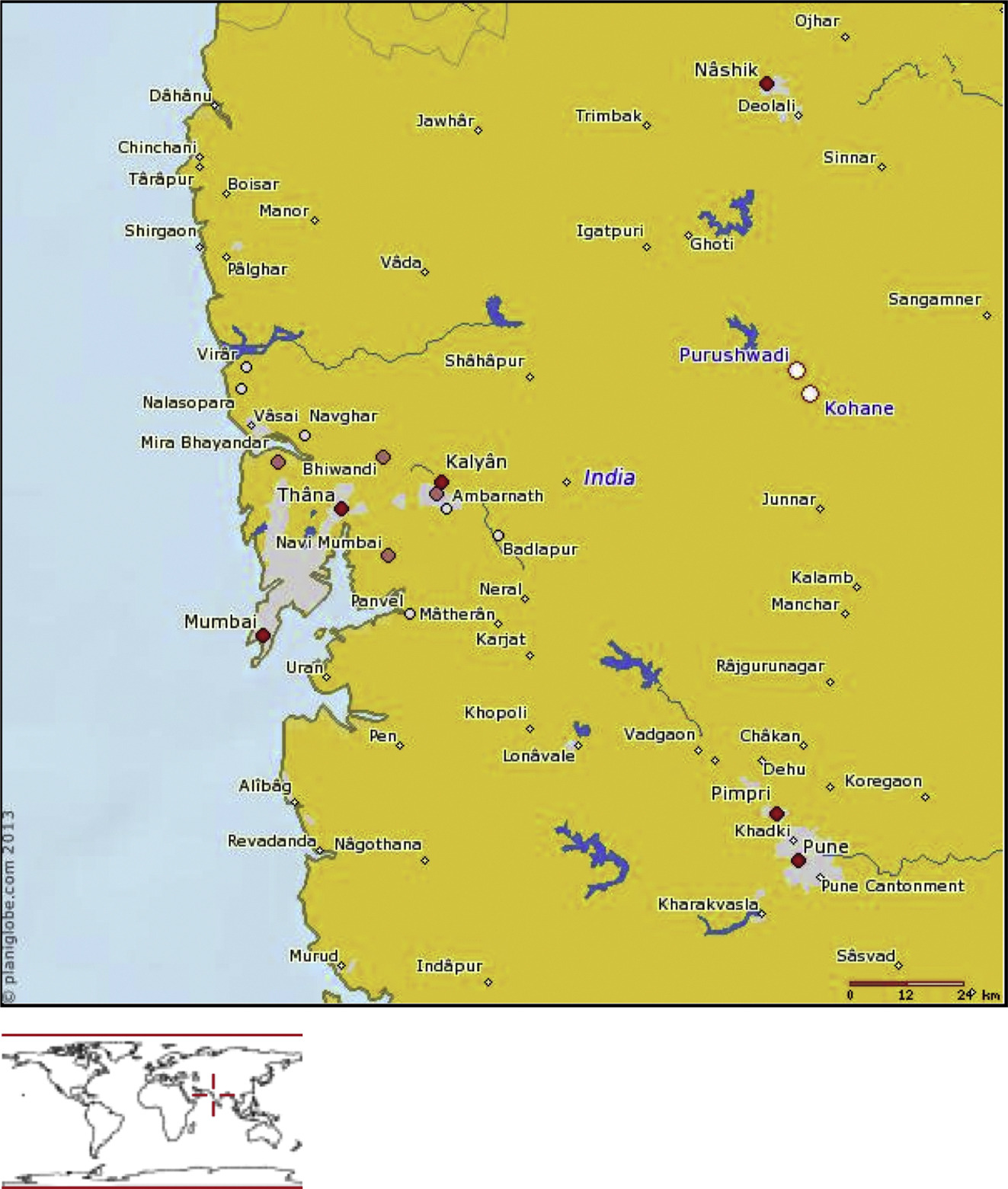
Figure 1.Locations of Purushwadi and Kohane within western Maharashtra, India.
- Posted on:
- October 2, 2014
- Length:
- 1 minute read, 141 words
- Categories:
- Energy & Environmental Economics Econometrics